24/7 Locksmith Services in St. Louis

Residential Locksmith

Deadbolt Installation in University city, MO

A deadbolt only protects the door if it is bored in the right spot and anchored into the framing. We install single and double cylinder deadbolts on wood, steel and fiberglass doors across the St. Louis area, and we reinforce the strike while we are there.

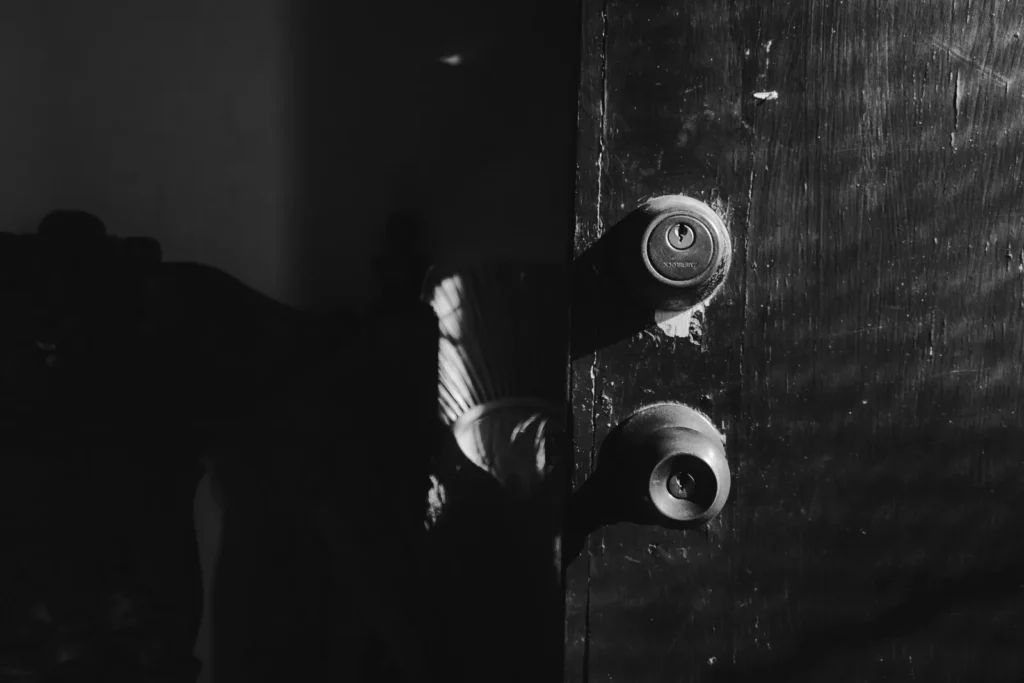
Deadbolt fitted above a door knob on a dark entry door

How a deadbolt gets fitted to your door

Installing a deadbolt on a door that has never had one means drilling two holes: a cross bore through the face of the door, usually 2 1/8 inches wide, and a 1 inch edge bore for the bolt. We measure the backset first, the distance from the door edge to the center of the cross bore, which is normally 2 3/8 or 2 3/4 inches, and we use a jig so the holes meet square.

The frame matters as much as the door. We chisel a mortise for the strike plate, drill the bolt pocket deep enough for the full one inch throw, and fasten the strike with long screws that reach the wall stud behind the jamb. A bolt that only half extends, or a strike held by short screws in soft pine, gives way far sooner than the lock itself.

Many brick homes in St. Louis still have the original mortise lock in the front door. We can usually add a deadbolt above it without disturbing the old hardware, as long as the new bore clears the mortise pocket and any glass panel. If the stile is too narrow for a standard backset, we will tell you what will fit before we drill.

What a deadbolt installation covers

A typical visit for a new deadbolt includes the following work.

  • Measuring backset and door thickness
  • Cross bore and edge bore drilling
  • Mortising the bolt faceplate flush
  • Strike plate mortise and bolt pocket
  • Long screws into the wall stud
  • Single or double cylinder options
  • Keying to match existing locks
  • Testing the throw with door closed

Benefits of professional deadbolt installation

Questions about deadbolt installation? Call 314-314-9909 and talk it through with us.

A bolt that extends fully

We check that the bolt throws its full length into the frame with the door closed, so the lock is engaged in solid wood and not resting in a shallow pocket.

Reinforced strike

Long screws driven through the strike plate into the stud make the jamb far harder to split with a kick than the short screws packed in most lock boxes.

Clean bores, no splintering

A boring jig and sharp hole saws keep the cross bore and edge bore aligned, and we drill from both faces so the door skin does not tear out.

One key if you want it

A new deadbolt can often be pinned to match the key you already carry for the knob or lever below it, provided both locks share a keyway.

When people ask us for a new deadbolt

A door with only a knob lock

Back doors, basement doors and side entries are often left with just a spring latch. A deadbolt adds a solid bolt that cannot be slipped with a card.

Glass beside the lock

With a sidelight or door glass within reach of the thumbturn, some owners ask about a double cylinder. We explain the exit safety tradeoff before you choose.

A newly hung or replaced door

Slab doors arrive without any holes. We bore for the deadbolt and the latch set together so the spacing between them looks right and both line up with the frame.

A rental between tenants

Landlords often add deadbolts to unit entries and shared back doors during a turnover, and have them keyed so each unit keeps its own key.

How we approach a deadbolt install

We measure before we drill

A hole in the wrong place is permanent. We check backset, stile width, door thickness and what is inside the door before any cutting starts.

You pick the hardware with clear information

We explain the difference between grades and cylinder types in plain terms, tell you the cost before work starts, and install a lock you supply if it suits the door.

Mobile service at your door

We come to homes across the St. Louis metro with boring jigs, chisels and strike hardware on the vehicle, so the work is done on site.

Our deadbolt installation process

1

Look at the door and frame

We check the door material, thickness, swing, existing hardware and the condition of the jamb, then agree with you on the lock height and cylinder type.

2

Mark and bore

The jig is clamped at the chosen height and backset. We drill the cross bore from both sides, then the edge bore, and chisel the faceplate recess.

3

Fit the strike

We mark where the bolt meets the jamb, cut the strike mortise, drill the bolt pocket to full depth and anchor the plate into the framing.

4

Test and hand over keys

We throw the bolt with the door open and closed, adjust until it moves without drag, and show you that every key works from outside.

Deadbolt Installation questions

Have a question that is not covered here? Call us at 314-314-9909 and we will answer it directly.

A single cylinder has a key outside and a thumbturn inside, which lets anyone leave quickly in a fire. A double cylinder needs a key on both sides and is sometimes chosen for doors with glass nearby. It can slow an exit and may not be allowed on some doors, so we talk through it with you first.

Yes. Steel and fiberglass doors are bored with the same layout as wood but need the right hole saws and slower drilling. Many have a lock block inside at a set height, so we locate it first. If the door has no solid block where you want the lock, we will tell you your options.

In most cases yes. The deadbolt goes above the mortise case, and we measure so the new bore does not break into the pocket. Narrow stiles on doors with large glass panels sometimes rule out a standard backset, and a different lock style may suit that door better.

Most deadbolts sit a few inches above the knob or lever, commonly 5 1/2 to 6 inches center to center, which leaves room for both trim pieces and keeps the door strong between the holes. We also check where the frame is solid and adjust the height if a panel, glass or old hole is in the way.

When a door is forced, the frame usually fails before the lock does. A thin strike held by short screws only grips the door jamb, which is a narrow strip of trim wood. Long screws that pass through the jamb into the stud spread the load into the wall framing.

Free quote

Tell us what you need and we will get back to you

Send a few details about the lock, key or vehicle and where the work is needed. For anything urgent, calling is the fastest way to reach us.

  • Residential, commercial and automotive work
  • We explain your options before any work starts
  • Mobile service across the St. Louis area

Request a free quote

Need a locksmith in St. Louis? Call us now.

Speak with St. Louis Locksmiths about your home, business or vehicle. We will tell you what the job involves and send a technician to you.